Protein + vegetables
Beans & lentils
Fiber · protein · iron
A versatile source of plant protein and fiber. Canned beans can be rinsed if you want to reduce some of the sodium.
Easy idea: Add to rice, soup, or a salad.
BODY · FREE RESOURCE
Learn what everyday foods bring to the table and how to read the facts on a package. Start with choices that fit your budget, taste, and routine.
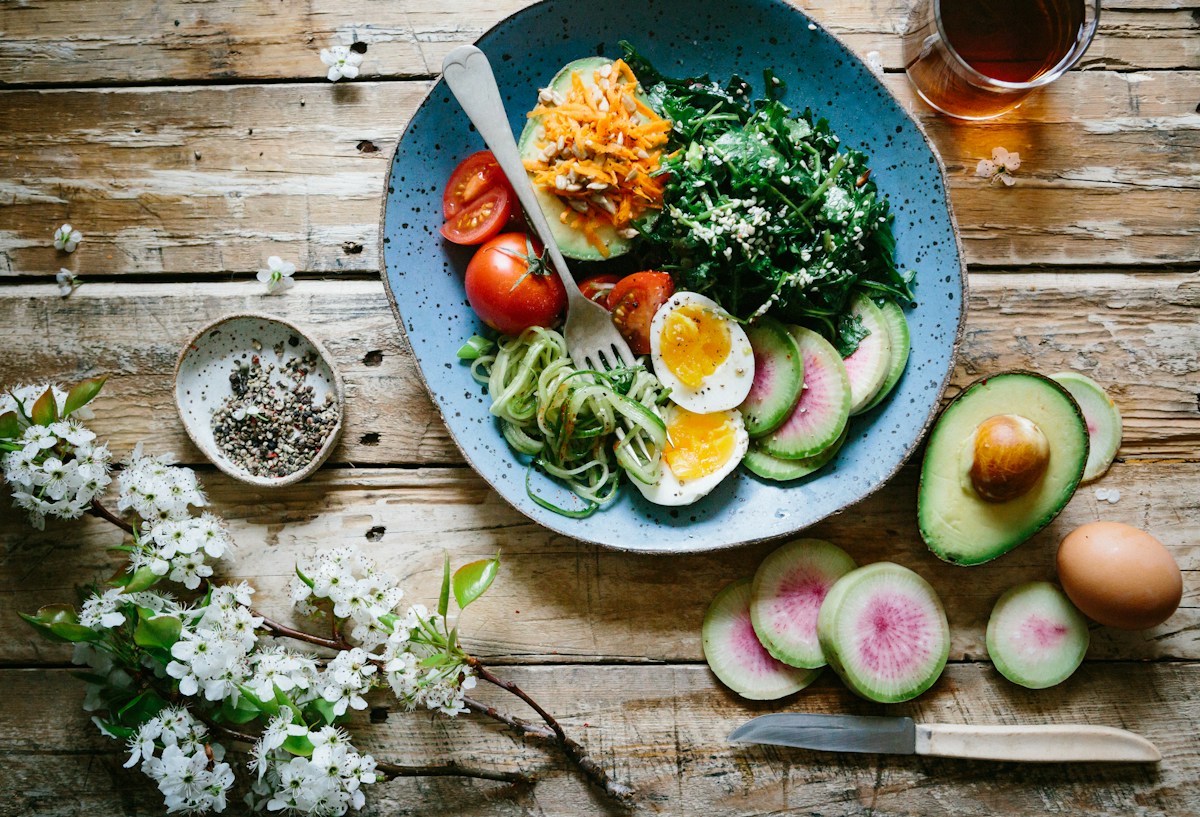
FOOD FACTS
These are common nutrients, not complete Nutrition Facts panels. Exact amounts change with variety, portion, preparation, and brand.
Protein + vegetables
Fiber · protein · iron
A versatile source of plant protein and fiber. Canned beans can be rinsed if you want to reduce some of the sodium.
Easy idea: Add to rice, soup, or a salad.
Whole grains
Fiber · complex carbohydrates
Plain oats are a whole grain. Flavored packets can contain added sugar, so compare labels.
Easy idea: Top with fruit and nuts.
Vegetables
Vitamin K · folate
Greens add nutrients to meals. Different vegetables offer different nutrients, so variety helps.
Easy idea: Use fresh or frozen in eggs, soup, or a bowl.
Fruit
Fiber · vitamins
Whole fruit provides fiber that juice often lacks. Frozen fruit without added sugar can be a practical option.
Easy idea: Mix into plain yogurt or oatmeal.
Protein foods
Protein · choline
Eggs are one of several protein choices. How you prepare them and what you pair them with shape the whole meal.
Easy idea: Pair with vegetables and whole-grain toast.
Dairy
Calcium · protein
Yogurt provides calcium and protein. Compare labels because added sugar varies widely by product.
Easy idea: Add fruit for sweetness.
AT THE STORE
A balanced pattern includes a variety of vegetables, fruit, grains, protein foods, and dairy or fortified alternatives. There is no single food that has to carry the entire plan. Frozen, canned, and fresh options can all be useful; compare ingredients and labels when buying packaged foods.
Search USDA FoodData Central for a specific food and portion, or read the package label for the brand you buy.
Search USDA FoodData Central ↗General food education from USDA MyPlate, USDA FoodData Central, and FDA label guidance. Reviewed September 2026. This page does not provide a personal meal plan or medical nutrition advice. If you manage a health condition or food allergy, discuss your needs with a qualified clinician or dietitian.